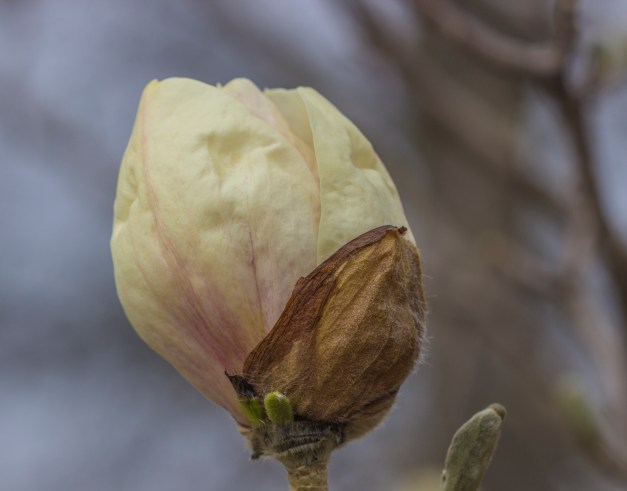
“How many thorns of human nature are bristling conceits,
buds of promise grown sharp for want of congenial climate.”
— John Burroughs
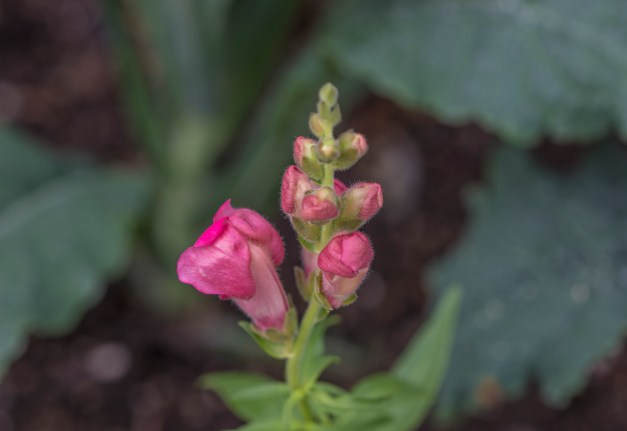
“🌱
“How many thorns of human nature are bristling conceits,
buds of promise grown sharp for want of congenial climate.”
— John Burroughs
“🌱

“The daffodil is our door side queen;
She pushes upward the sword already,
To spot with sunshine the early green.”
William Cullen Bryant, An Invitation to the Country.


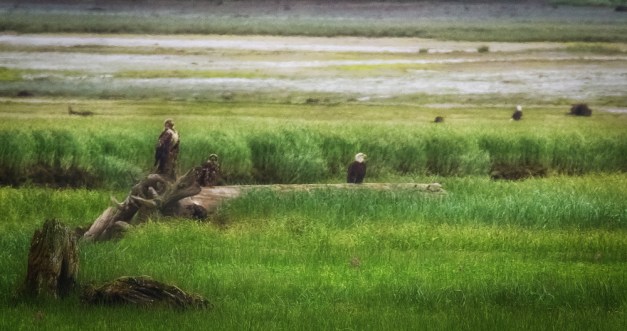
Nature always wears the colors of the spirit. — Ralph Waldo Emerson

The future will either be green or not at all. — Bob Brown

Green is the prime color of the world, and that from which its loveliness arises.
— Pedro Calderon de la Barca

Some Velvet Morning
Some velvet mornin’ when I’m straight
I’m gonna open up your gate
And maybe tell you ’bout Phaedra
And how she gave me life
And how she made it end
Some velvet mornin’ when I’m straight
Flowers growing on a hill, dragonflies and daffodils
Learn from us very much, look at us but do not touch
Phaedra is my name
Some velvet mornin’ when I’m straight
I’m gonna open up your gate
And maybe tell you ’bout Phaedra
And how she gave me life
And how she made it end
Some velvet mornin’ when I’m straight
Flowers are the things we know, secrets are the things we grow
Learn from us very much, look at us but do not touch
Phaedra is my name


Lines Written in Early Spring
William Wordsworth
I heard a thousand blended notes,
While in a grove I sate reclined,
In that sweet mood when pleasant thoughts
Bring sad thoughts to the mind.
To her fair works did Nature link
The human soul that through me ran;
And much it grieved my heart to think
What man has made of man.
Through primrose tufts, in that green bower,
The periwinkle trailed its wreaths;
And ’tis my faith that every flower
Enjoys the air it breathes.
The birds around me hopped and played,
Their thoughts I cannot measure:—
But the least motion which they made
It seemed a thrill of pleasure.
The budding twigs spread out their fan,
To catch the breezy air;
And I must think, do all I can,
That there was pleasure there.
If this belief from heaven be sent,
If such be Nature’s holy plan,
Have I not reason to lament
What man has made of man?
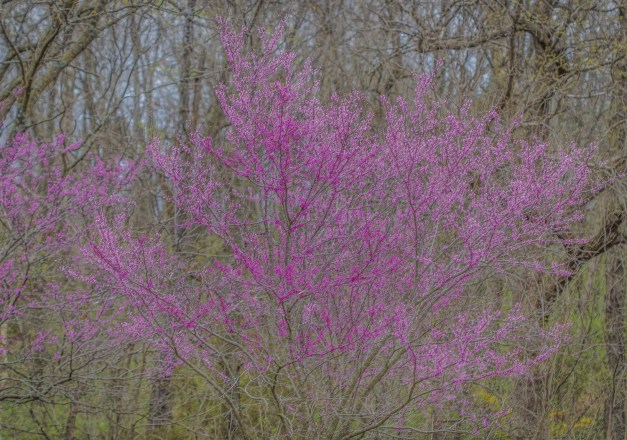

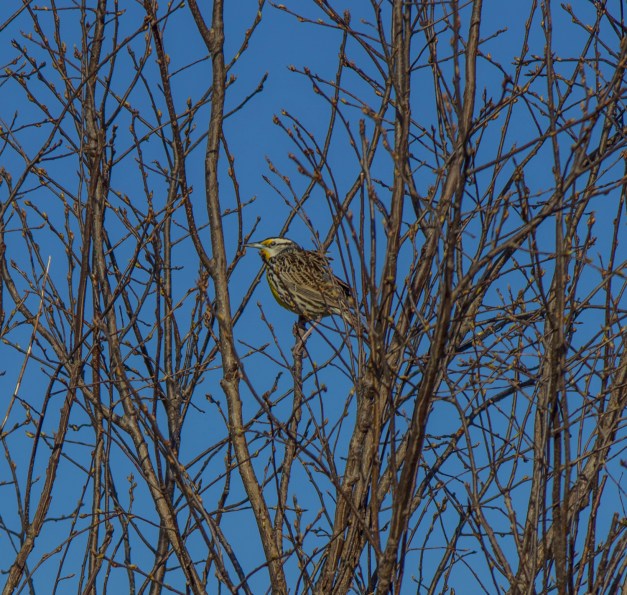
"Meadowlarks play a variety of roles in the folklore of different Native American tribes. The Sioux tribes feel a great affinity for meadowlarks, seeing them as a symbol of friendship and loyalty, and take care never to kill them. The musical song of the meadowlark is believed to be good luck by many Sioux people, and in the past, meadowlark whistles were thought to summon buffalo. The Arikara Indians, on the other hand, consider the meadowlark's call to be scolding, not melodious. The Arikara name for "meadowlark" literally means "woman's nagging." And in the Blackfoot tribe, meadowlarks are a symbol of peace and the presence of meadowlarks was said to be a sign that a camp or village would be safe from attack." [source]

"In Lakota/Dakota myth, larks were the messengers of the god Itokaga (Okaga).  Itokaga was the representation of the south wind.  South is the direction of the sun and the bringer of warmth, light, and life.  Therefore the meadowlark is associated with all of these things, in addition to women’s medicine, which encompasses beauty, fidelity, happy marriage, and fertility.  Seeing a meadowlark is good news for the viewer, because the lark brings abundance and impending harvest."[*]





 Maverick Mist