“It was one of those March days when the sun shines hot and the wind blows cold:
when it is summer in the light, and winter in the shade.” – Charles Dickens

“It was one of those March days when the sun shines hot and the wind blows cold:
when it is summer in the light, and winter in the shade.” – Charles Dickens
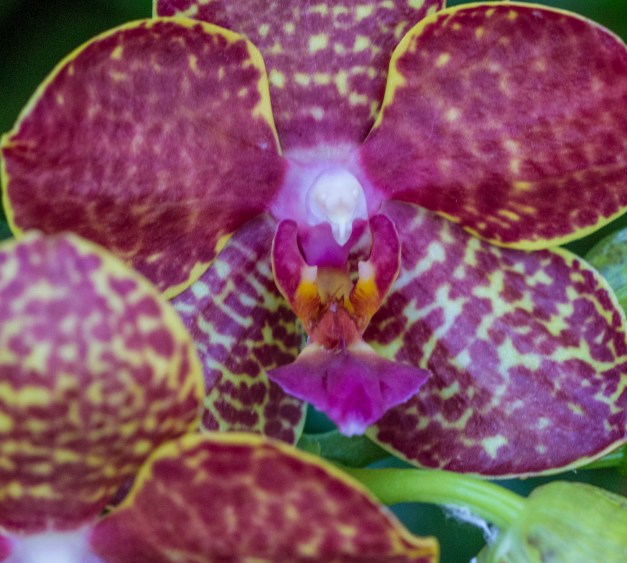
“Orchids were once called “ballocks stones” (ballock’s-grass is an old name for various sorts of wild orchids), “dogstones”, and similar names because their tubers (roots) resemble human testicles. The name “orchid” derives from orchis, the Greek for “testicle”. The Latin form orchis was taken by botanists of the 16th and 17th centuries as the basis for the plant’s scientific name.
Orchid came into English about 1845, borrowed from New Latin Orchideae, Orchidaceae, the plant’s family name, and was assigned by Linnaeus in 1751, from orchid-, erroneously assumed as the stem of Latin orchis.
The resemblance of orchid roots to “testicles” more than 2 000 years ago led to the mistaken belief that orchids possess aphrodisiac properties. The identity of the true male orchis of the Greeks and Romans has never been established. Mystery still surrounds this magic plant whose root was dissolved in goat’s milk by the ancients. One drink of this solution, wrote one incredulous historian, and a man could perform sex as many as 70 consecutive times.
Orchis is supposed to have been the main ingredient of satyrion, the love food of those lecherous satyrs of Greek mythology. The orchid, the Turkish orchis morio, the truffle, the mandrake, and several other plants have been credited with being the male orchis (aphrodisiac) of the ancients, but the true identity of satyrion is probably lost for all time; unless you count ™Viagra as its replacement.” [source]


“Life is not always perfect. Like a road, it has many bends, ups and down, but that’s its beauty.”
– Amit Ray

“There comes . . . a longing never to travel again except on foot.” – Wendell Berry

“Greatness is a road leading towards the unknown.” — Charles de Gaulle
“A light exists in Spring
Not present in the year
at any other period
When March is scarcely here.”
Emily Dickinson

Ash Wednesday is full of joy...The source of all sorrow is the illusion that of ourselves we are anything but dust. - Thomas Merton 🌼


Mardi Gras is the love of life. It is the harmonic convergence of our food, our music,
our creativity, our eccentricity, our neighborhoods, and our joy of living. All at once.” ― Chris Rose


“Late February days; and now, at last,
Might you have thought that winter’s woe was past;
So fair the sky was, and so soft the air.”
~William Morris, Excerpt from The Earthly Paradise: A Poem, 1870
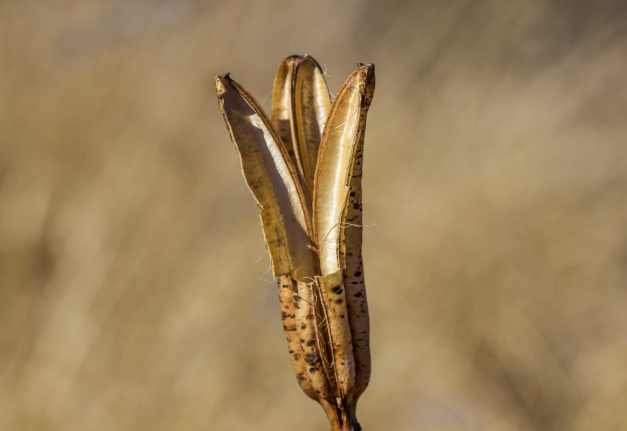

“There are, it seems, two muses: the Muse of Inspiration, who gives us inarticulate visions and desires, and the Muse of Realization, who returns again and again to say "It is yet more difficult than you thought." This is the muse of form. It may be then that form serves us best when it works as an obstruction, to baffle us and deflect our intended course. It may be that when we no longer know what to do, we have come to our real work and when we no longer know which way to go, we have begun our real journey. The mind that is not baffled is not employed. The impeded stream is the one that sings.” ― Wendell Berry

“The answer must be, I think, that beauty and grace are performed whether or not we will
or sense them. The least we can do is try to be there.” ― Annie Dillard, Pilgrim at Tinker Creek


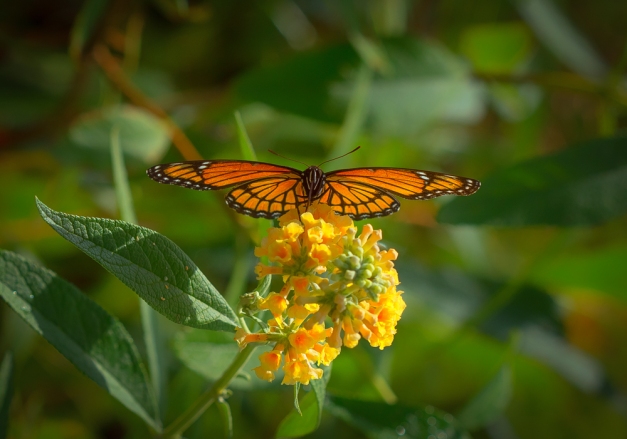
“Bees and monarchs play an important role in pollinating plants. Monarch butterflies help pollinate crops and wildflowers as they make their annual migration to Mexico from the U.S. and Canada.”
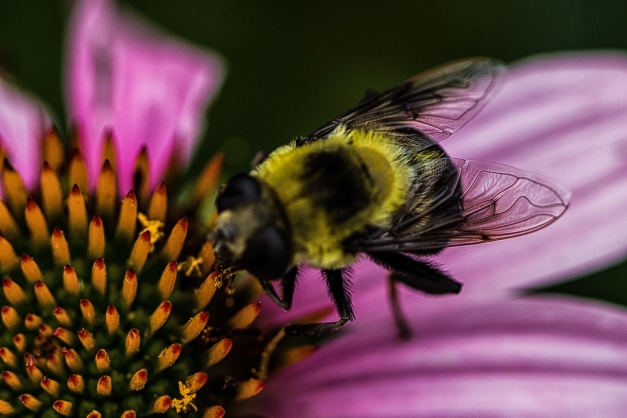
“Bees are responsible for pollinating 70 of the top 100 food crops consumed by humans, and there are at least 10 food crops that are fully or significantly dependent on bees. When the bees are gone, those foods will go away as well. Both species are in danger and need our help…” 5 Ways to Help
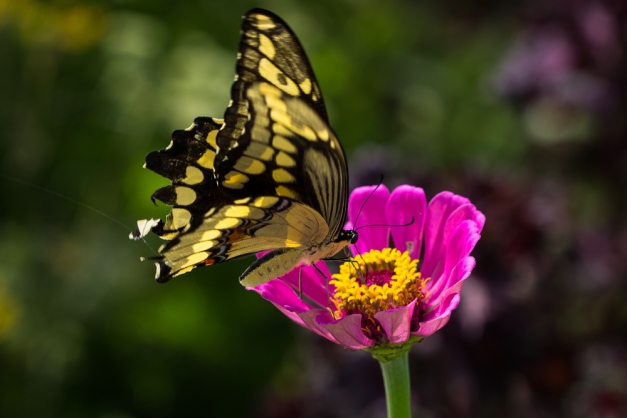
Bees sip honey from flowers and hum their thanks when they leave.
The gaudy butterfly is sure that the flowers owe thanks to him.
~Rabindranath Tagore

 Maverick Mist