
Still Life with Open Book, 1990 – Janet Fish
“Accept what life offers you and try to drink from every cup.
All wines should be tasted; some should only be sipped,
but with others, drink the whole bottle.” ―Paulo Coelho
Still Life with Open Book, 1990 – Janet Fish
“Accept what life offers you and try to drink from every cup.
All wines should be tasted; some should only be sipped,
but with others, drink the whole bottle.” ―Paulo Coelho
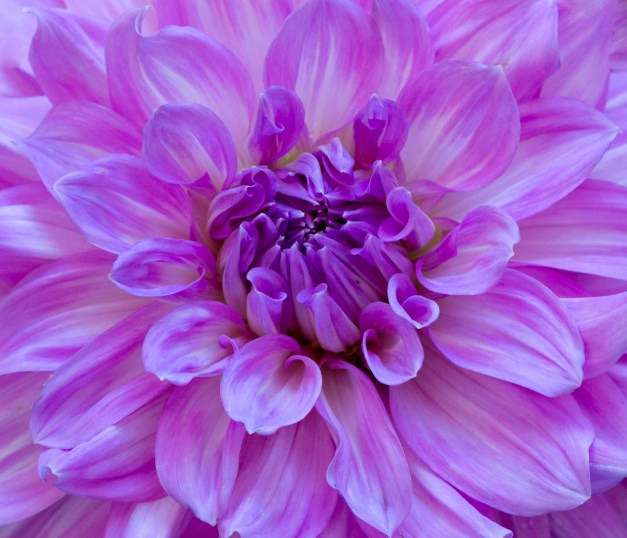
“Why should I be unhappy? Every parcel of my being is in full bloom.” — Jalal al-Din Rumi


“Try to remember the kind of September
When life was slow and oh, so mellow
Try to remember the kind of September
When grass was green and grain was yellow
Try to remember the kind of September
When you were a tender and callow fellow
Try to remember, and if you remember
Then follow”


Woman IV
 1952/53  --  Oil, enamel and charcoal on canvas
 Willem de Kooning

'With Jackson Pollock, Willem de Kooning was perhaps the best known and most influential figure of the original group of artists who initiated the Abstract Expressionism movement. De Kooning's early paintings, from the 1930s, exhibited a variety of influences, including Cubism, Surrealism's biomorphic form and the work of his friend and colleague, Arshile Gorky. By the 1940s, de Kooning's work had diverged simultaneously in two different directions, embracing figure studies and high-key color abstractions. His most significant achievement was the synthesis of figuration and abstraction, combined with an aggressive, gestural brushstroke that gave his paintings a rich surface texture and vibrant energy.

Between 1950 and 1953, de Kooning painted a series of six canvases, of which Woman IV is a part, depicting a single, female subject. Woman IV is typical of this series in its extreme fragmentation of form, exaggeration of proportion, shallow pictorial space and high-key color scheme. The painting depicts a female, who appears to be lifting her skirts while wading a body of water, represented by the blue band of color at the bottom of the image.

De Kooning's "Women" series has been discussed negatively in term of his supposedly aggressive and unsympathetic treatment of the female subjects depicted in the paintings. His own comments, however, reveal the dual influence of the exploitation of female sexuality in popular culture during the 1950s and the long-standing tradition of figurative painting. In de Kooning's words, the women refer, in part, to "the female painted through all ages...all those idols..."'
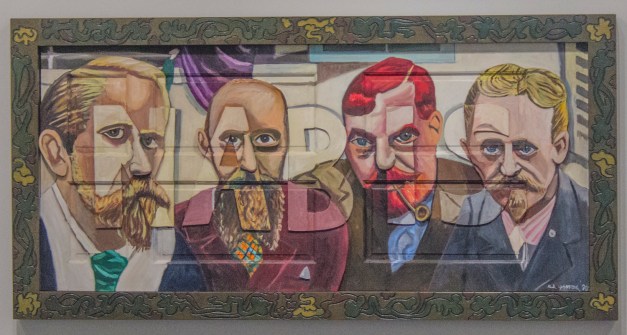
"In Red Grooms’s oil-on-wood painting Nabis (1998), he depicts four artists of the late-19th-century Post-Impressionist group the Nabis. Grooms’s signature style fuses fine art and pop culture imagery, collapsing figure and ground into an abstract field. His satirical depictions evoke theater set scenes that function as an entry point into these complex works."


The human mind is a dramatic structure in itself
and our society is absolutely saturated with drama. — Edward Bond
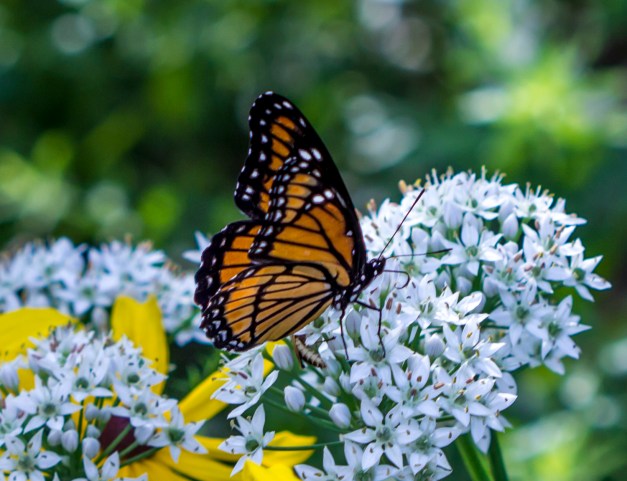
There is a difference between our wisdom and nature's simplicity. That reflects the burden of a complex intelligence. A complex intelligence like ours is impotent compared to the intelligence of a monarch butterfly migrating from Canada to Mexico, or the intelligence of hummingbirds that have co-evolved with the flowers all along their migration route. That seems so simple; it just happens, it just unfolds. — Alison Hawthorne Deming
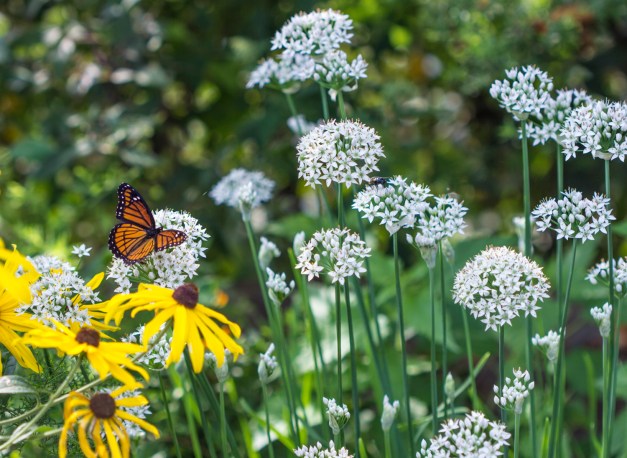
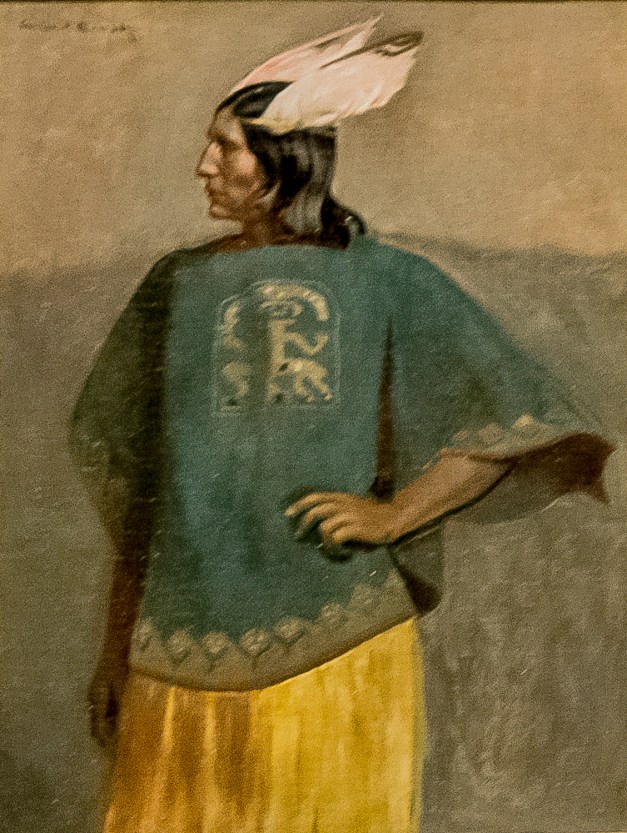
They never knew on Brush Farm when George De Forest Brush would go on a rampage through the house checking for furniture with lathe-turned legs, to see if it had been made by machine. If it was, then out it went to the bonfire. “No machinery can do joyful work,” he believed. “The really useful things,” he said, “are made ugly by machinery and only the few things of life are beautiful.” *

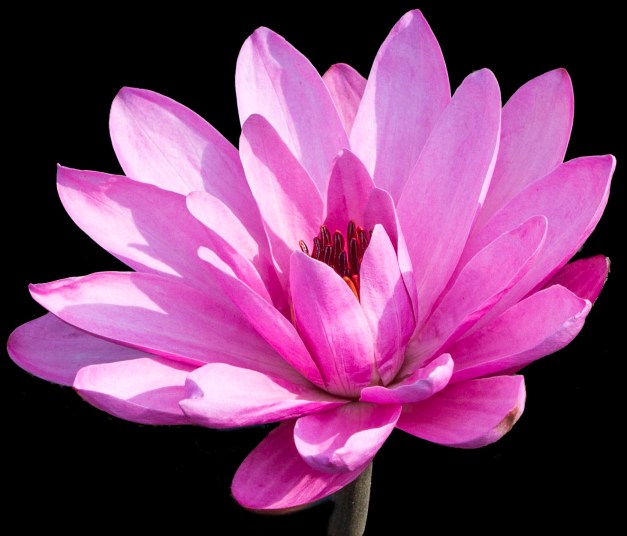
If each day falls
 inside each night,
 there exists a well
 where clarity is imprisoned.

We need to sit on the rim
 of the well of darkness
 and fish for fallen light
 with patience.

Pablo Neruda
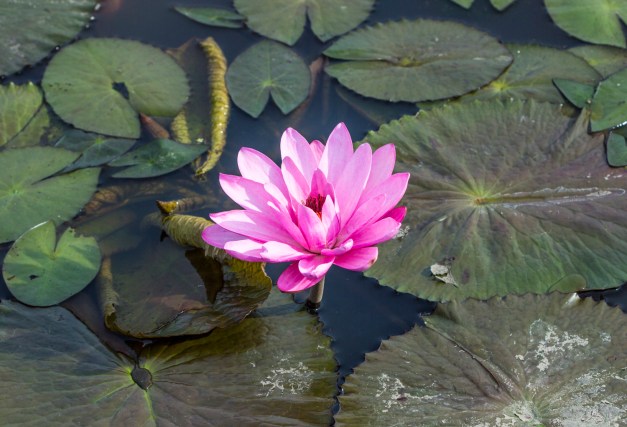

On life’s vast ocean diversely we sail. Reasons the card, but passion the gale. — Alexander Pope

On a day when the wind is perfect, the sail just needs to open and the world is full of beauty. — Rumi


 Maverick Mist