
A narrative of the early days and remembrances of Oceola Nikkanochee


“The butterflies…what an educated sense of beauty they have. They seem only an ornament to society, and yet, if they were gone, how substantial would be their loss.” — Phil Robinson

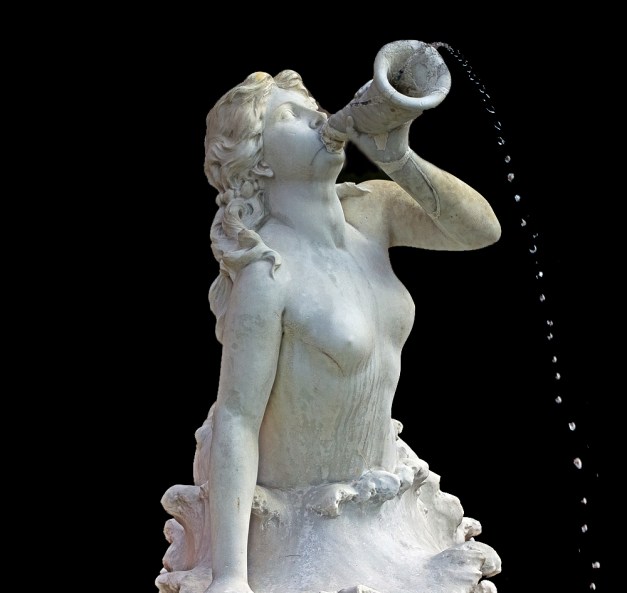
“Universally, an elemental is any magical entity who embodies/personifies a force of nature and therefore possess the powers of elemental cognizance, elemental detection, elemental generation, elemental manipulation, elemental self-transmutation, elemental expungement and elemental immunity; these powers are usually exclusive to the elemental’s own unique element.”


“Within The Paracelsian concept an elemental is a mythic being described in occult and alchemical
works from around the time of the European Renaissance and particularly elaborated in the 16th century works of Paracelsus. From the classical Paracelsusian perspective there are four elemental categories: gnomes, undines, sylphs, and salamanders.” Undine being of water, Gnome being of earth, Sylph being of air, and Salamander being of fire. [Wikipedia]
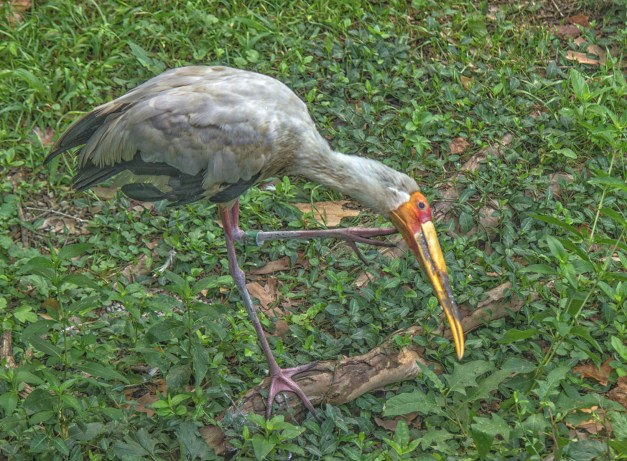
“Stork Story”
By Shel Silverstein
You know the stork brings babies,
But did you also know
He comes and gets the older folks
When it’s their time to go?
Zooms right down and scoops them up,
Then flaps back out the door
And flies them to the factory where
They all were made before.
And there their skin is tightened up,
Their muscles all are toned,
Their wrinkles all are ironed out,
They’re given brand-new bones.
Ol’ bent backs are straightened up,
New teeth are added too,
Tired hearts are all repaired
And made to work like new.
Their memories are all removed
And they’re shrunk down, and then
The stork flies them back down to earth
As newborn babes again.

“When someone has a strong intuitive connection,
Buddhism suggests that it’s because of karma, some past connection.” — Richard Gere

I search for the realness, the real feeling of a subject, all the texture around it... I always want to see the third dimension of something... I want to come alive with the object. — Andrew Wyeth


“The hornbills are famous for their habit of immuring their nest. Before mating, the male offers the female a food gift (an insect or a fruit). The nest is usually made in a tree hole. Manipulating her bill like a trowel, the female uses clay and her own dejections to wall the entrance into the nest, inside of which she remains a prisoner. The male consolidates this “prison” on the exterior. This way, the nesting female is protected against monkeys, squirrels, martins or snakes. The female and the chicks are fed by the male with fruits, lizards, insects and frogs up to 10 times per hour. The male can bring up to 60 fruits at once, that he later regurgitates for the female. During the whole period of nesting, the male can bring up to 24,000 fruits for the female.
In order to not impede the growth of the chicks, the female inside the nest keeps her tail raised. When the chicks are well developed (at 6-7 weeks after hatching), the female breaks the entrance and starts helping the male in feeding the young. The entrance is walled back and will continue to remain so for the following 45-86 days, as long as caring for the chicks lasts.
The male molts successively, being always able to fly, while the female molts completely, while closed inside the nest. Large hornbills live up to 30 years.
The male communicates with the females found inside the nest via the noise made by their beating wing. The noise resembles the hiss of a steam engine, due to a special structure of the plumage that allows the sudden entrance of the air.” [source] 🍃

“Happiness is like a butterfly: the more you chase it, the more it will elude you, but if you turn your attention to other things, it will come and sit softly on your shoulder.” — Henry David Thoreau


The only way to save a rhinoceros is to save the environment in which it lives, because there's a mutual dependency between it and millions of other species of both animals and plants. -- David Attenborough

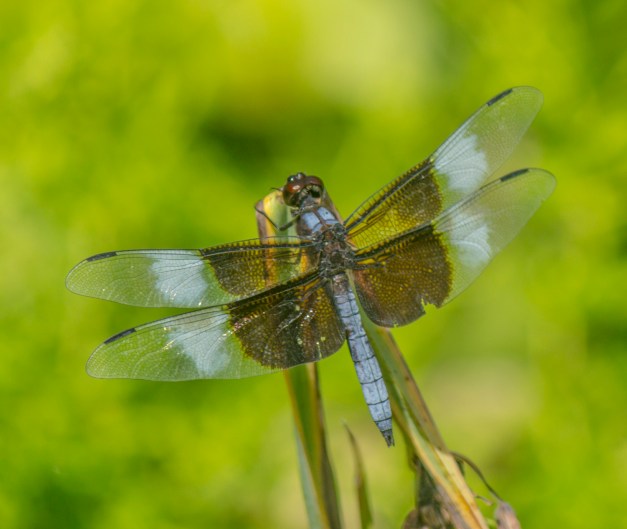
“Time is for dragonflies and angels. The former live too little and the latter live too long.”
— James Thurber


 Maverick Mist